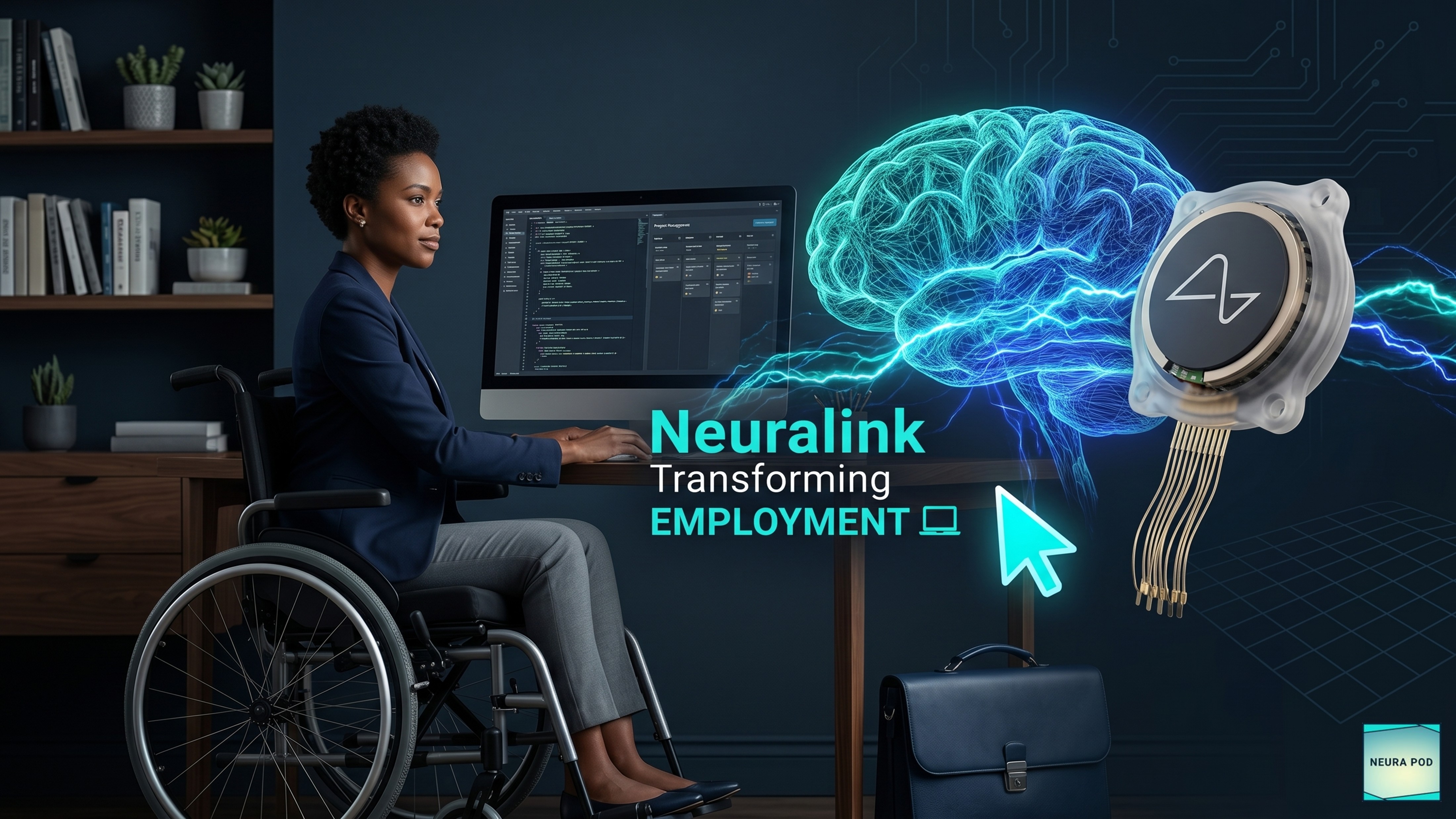

- Neuralink's invasive N1 implant collects neural data at approximately 200 Mbps from 1024 channels, significantly higher than the 1-5 Mbps typical of non-invasive EEG-based BCIs with fewer channels.
- Effective information transfer rates for Neuralink reach beyond 10 bits per second in human trials for tasks like cursor control, compared to 0.5-2 bits per second in advanced non-invasive systems.
- Under Elon Musk's direction, Neuralink aims to scale bandwidth to 1 megabit per second within five years, promising transformative advantages over non-invasive BCIs limited by signal quality.
Neuralink's N1 Implant Data Flow and Bandwidth
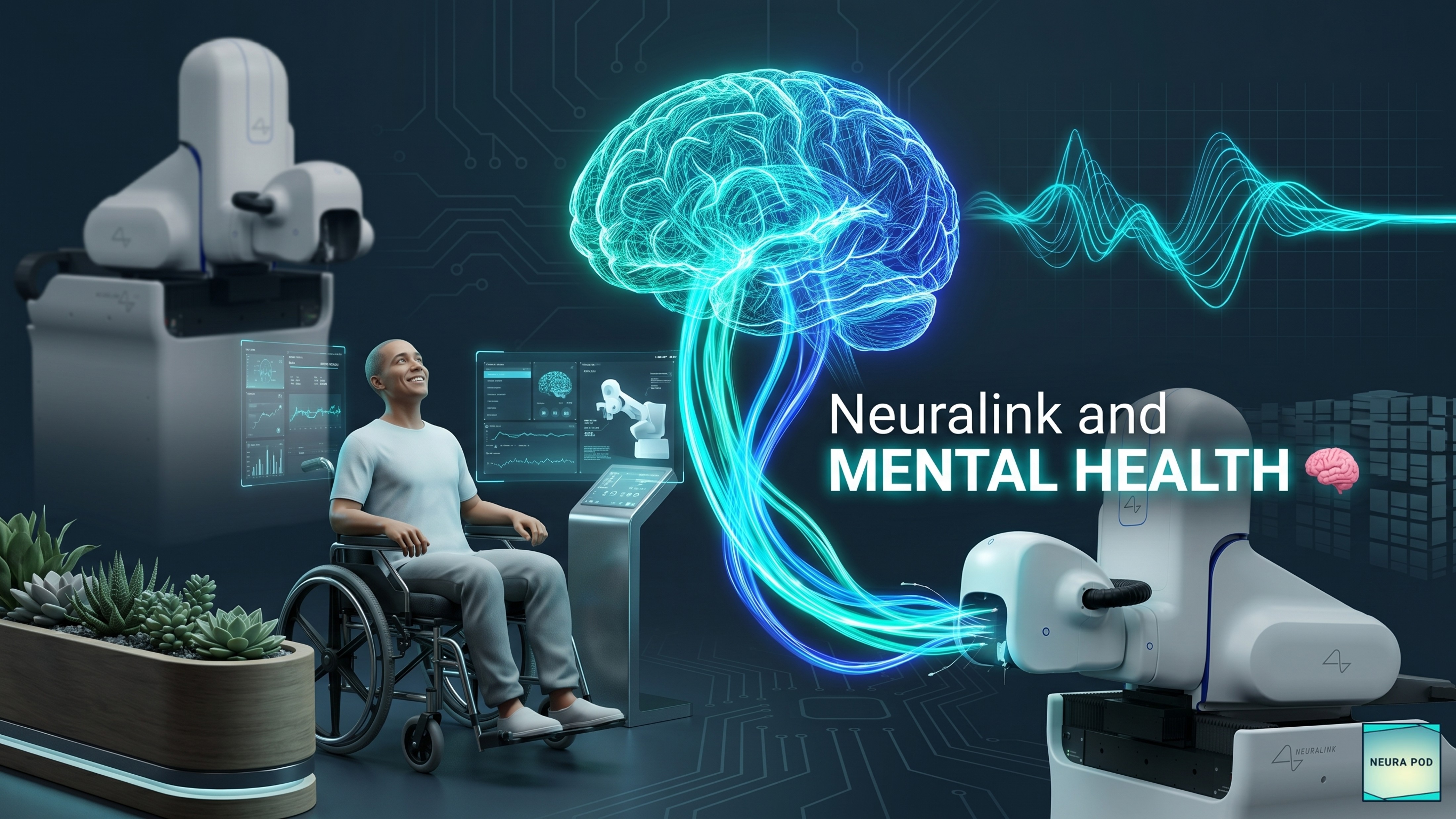
Neuralink's N1 implant represents a significant advancement in brain-computer interface technology, designed to capture high-resolution neural activity directly from the brain. The device features 1024 flexible threads, each containing electrodes that record electrical signals from neurons at a sampling rate of 20,000 samples per second with 10-bit resolution. This configuration allows each channel to generate about 200 kilobits per second, resulting in a total raw data collection rate of roughly 200 megabits per second across all channels. The implant processes this data on-chip to detect spikes and compress information before wireless transmission via Bluetooth, which supports an output of around 1 megabit per second to external devices. This setup enables real-time decoding of neural signals for applications such as controlling computer cursors or robotic limbs.
Elon Musk has highlighted the importance of this high-bandwidth capability in recent updates, noting that it allows for precise interpretation of brain activity. In human trials, participants have achieved effective information transfer rates of up to 9.5 bits per second during tasks like web navigation, demonstrating the practical output of this data flow. The N1's invasive approach bypasses the skull, capturing signals with minimal noise, which contributes to its superior data fidelity compared to external methods.
Neuralink's engineering focuses on scalability, with ongoing refinements to electrode stability and signal processing algorithms to maintain consistent performance over time. This architecture not only supports current medical applications, such as restoring mobility for paralyzed individuals, but also lays the foundation for broader cognitive enhancements. Elon has emphasized that optimizing data flow is key to unlocking the full potential of human-machine symbiosis, positioning Neuralink as a leader in this field.
Non-Invasive BCI Technologies and Their Data Rates
Non-invasive brain-computer interfaces, such as those using electroencephalography (EEG), functional near-infrared spectroscopy (fNIRS), or functional magnetic resonance imaging (fMRI), offer accessible alternatives without surgical intervention. EEG systems, the most common, typically employ 16 to 256 electrodes placed on the scalp, sampling at rates between 256 and 512 Hertz with 16-bit resolution. This results in raw data rates ranging from 1 to 5 megabits per second, depending on channel count and sampling frequency. However, these signals are attenuated by the skull and scalp, leading to lower signal-to-noise ratios and reduced spatial resolution compared to invasive methods.
Effective information transfer rates in EEG-based BCIs are often measured in bits per minute, with advanced systems achieving 20 to 50 bits per minute, or approximately 0.33 to 0.83 bits per second, for tasks like spelling or cursor movement. fNIRS, which measures blood oxygenation changes, operates at lower temporal resolutions, typically yielding even slower effective rates due to hemodynamic delays. fMRI provides high spatial detail but is constrained by slow scan times, making real-time data flow impractical for dynamic applications. These technologies prioritize safety and ease of use, making them suitable for research and consumer applications like meditation aids or gaming controllers.
Recent developments have pushed EEG performance higher, with some steady-state visual evoked potential systems reaching up to 50 bits per second in controlled settings, though this remains exceptional. Overall, non-invasive BCIs trade bandwidth for non-invasiveness, limiting their ability to capture fine-grained neural data.
Comparative Analysis of Data Flow Rates
When comparing Neuralink's invasive approach to non-invasive BCIs, the differences in data flow rates are stark. Neuralink's raw collection rate of 200 megabits per second dwarfs the 1-5 megabits per second of typical EEG systems, enabling capture of thousands of individual neuron spikes with high precision. This bandwidth advantage stems from direct cortical access, which avoids signal degradation and allows for denser electrode arrays. In terms of effective transfer rates for user control, Neuralink has demonstrated 4 to 10 bits per second in early patients, with a record of 9.5 bits per second, outperforming the 0.5 to 2 bits per second common in non-invasive setups.
Competitors like Paradromics highlight this gap, claiming their invasive device achieves over 200 bits per second, though Neuralink's focus on long-term stability and wireless transmission provides unique benefits. Non-invasive methods excel in accessibility but struggle with noise, often requiring extensive signal processing to extract usable data, which reduces overall efficiency. Elon Musk's vision for Neuralink includes scaling to 1 megabit per second within five years, potentially enabling applications like direct thought communication that non-invasive BCIs cannot match due to inherent limitations. These comparisons underscore how invasive technologies like Neuralink offer orders-of-magnitude improvements in data fidelity and speed, paving the way for more sophisticated interactions.
Challenges in Scaling BCI Data Rates
Scaling data flow rates in BCIs presents technical and biological hurdles for both invasive and non-invasive systems. For Neuralink, electrode degradation over time can reduce signal quality, though recent trials show sustained performance through advanced materials and algorithms. Power constraints limit wireless transmission, with the N1 balancing energy use to avoid tissue heating while maintaining 1 megabit per second output. Non-invasive BCIs face even greater challenges, as increasing channel density or sampling rates amplifies noise from muscle artifacts and environmental interference, often capping effective rates below 2 bits per second.
Regulatory approvals and ethical considerations slow progress, but Neuralink's FDA clearances for human trials demonstrate forward momentum under Elon Musk's leadership. Future optimizations, such as AI-driven compression and higher-density arrays, could bridge these gaps, with Neuralink projecting human-level speeds of 40 bits per second by 2025. Addressing these issues will require interdisciplinary efforts, but the potential for enhanced human capabilities drives continued innovation.
TL;DR
Neuralink's N1 implant sets a new standard in BCI technology with its 200 Mbps raw data collection and up to 9.5 bits per second effective rates, outstripping non-invasive alternatives like EEG, which manage 1-5 Mbps raw and 0.5-2 bits per second effective. This invasive edge enables precise neural decoding for real-world applications, from cursor control to potential thought-based communication. Elon Musk's forward-thinking strategy aims for megabit-scale bandwidths, promising to transform how humans interact with machines and overcome neurological limitations. As trials advance, these developments highlight optimistic prospects for broader accessibility and impact.