What Diseases/ Disorders Will Neuralink Cure?
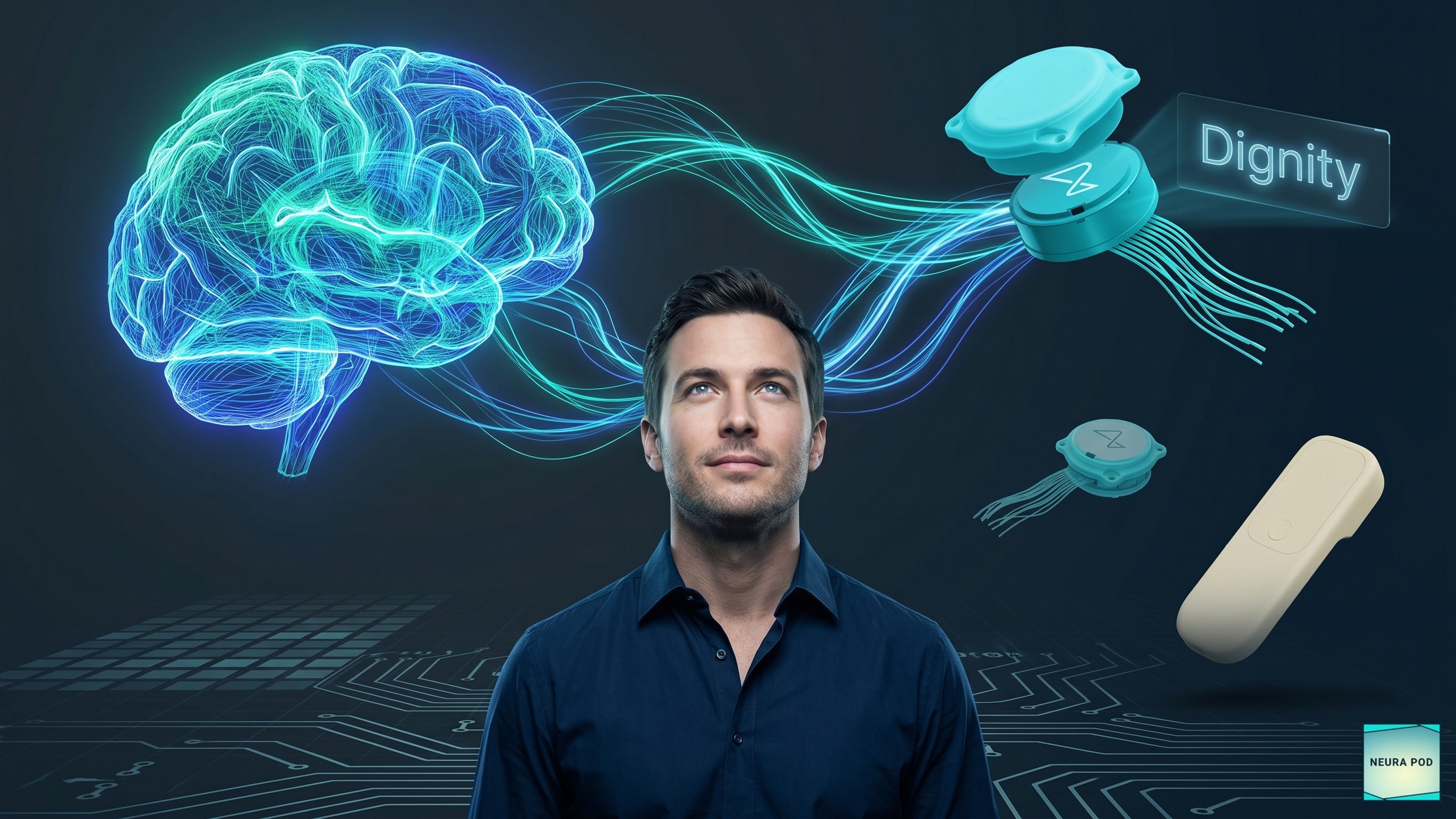
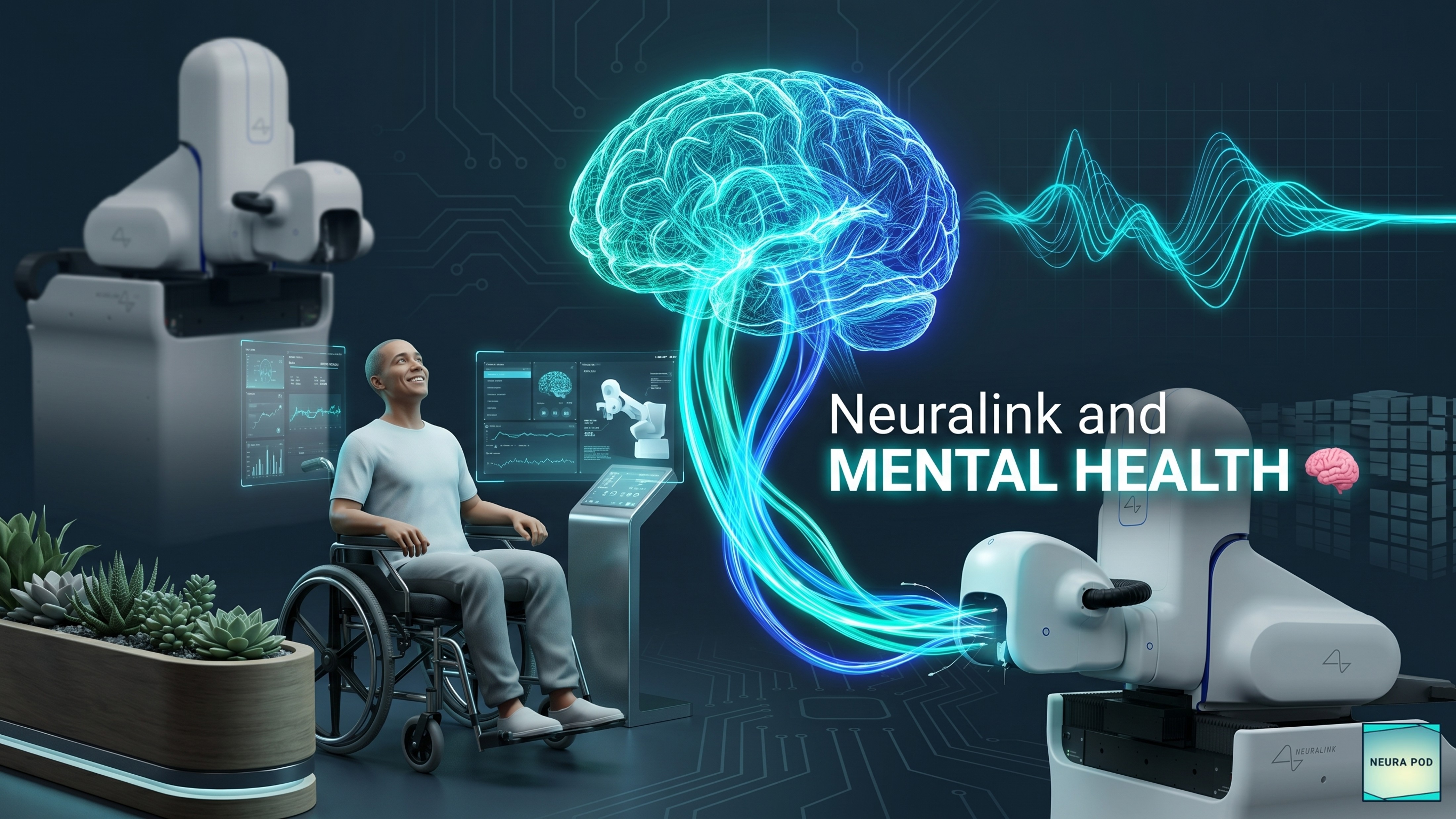
Neuralink generally avoids stating they will "cure" specific diseases. Instead, they focus on solving problems associated with the diseases/ disorders, such as restoring lost functions or alleviating symptoms without necessarily eliminating the underlying cause. For example, with paralysis, the implant reroutes signals around damaged areas rather than repairing them. Elon has noted that most brain issues could be fixable with such devices, highlighting practical outcomes over definitive cures. This cautious language aligns with regulatory requirements and prioritizes patient safety in ongoing trials.
A list of problems Neuralink plans to solve can be found here. (This list is not comprehensive, but we can have confidence in its accuracy given that Elon reposted it).
As of March 2026, Neuralink emphasizes restoring autonomy for those with unmet medical needs. Clinical studies, like the PRIME trial, target precise signal translation to aid daily activities.
Restoring Motor and Sensory Functions
For now, Neuralink primarily addresses motor disorders, including paralysis from spinal cord injuries and ALS, by detecting neural signals and converting them into actions like controlling cursors or limbs. Human trials have enabled participants to interact with devices via thought, with potential for full mobility restoration in future iterations.
For sensory impairments, the Blindsight implant stimulates the visual cortex to restore sight, even for those blind from birth, starting with basic resolution and advancing to enhanced vision. Hearing restoration involves auditory cortex activation to counter deafness or tinnitus, offering integrated solutions beyond traditional implants. In 2025, Neuralink received FDA Breakthrough Designation for speech restoration in conditions like ALS or stroke, decoding intent to enable communication.
Targeting Mental Health and Chronic Issues
Neuralink extends to mental health disorders such as depression, anxiety, addiction, and insomnia by regulating brain activity in real time. For Parkinson's, it could improve on deep brain stimulation to reduce tremors and rigidity. Memory loss from early Alzheimer's might benefit from pathway enhancement, though advanced cases remain challenging.
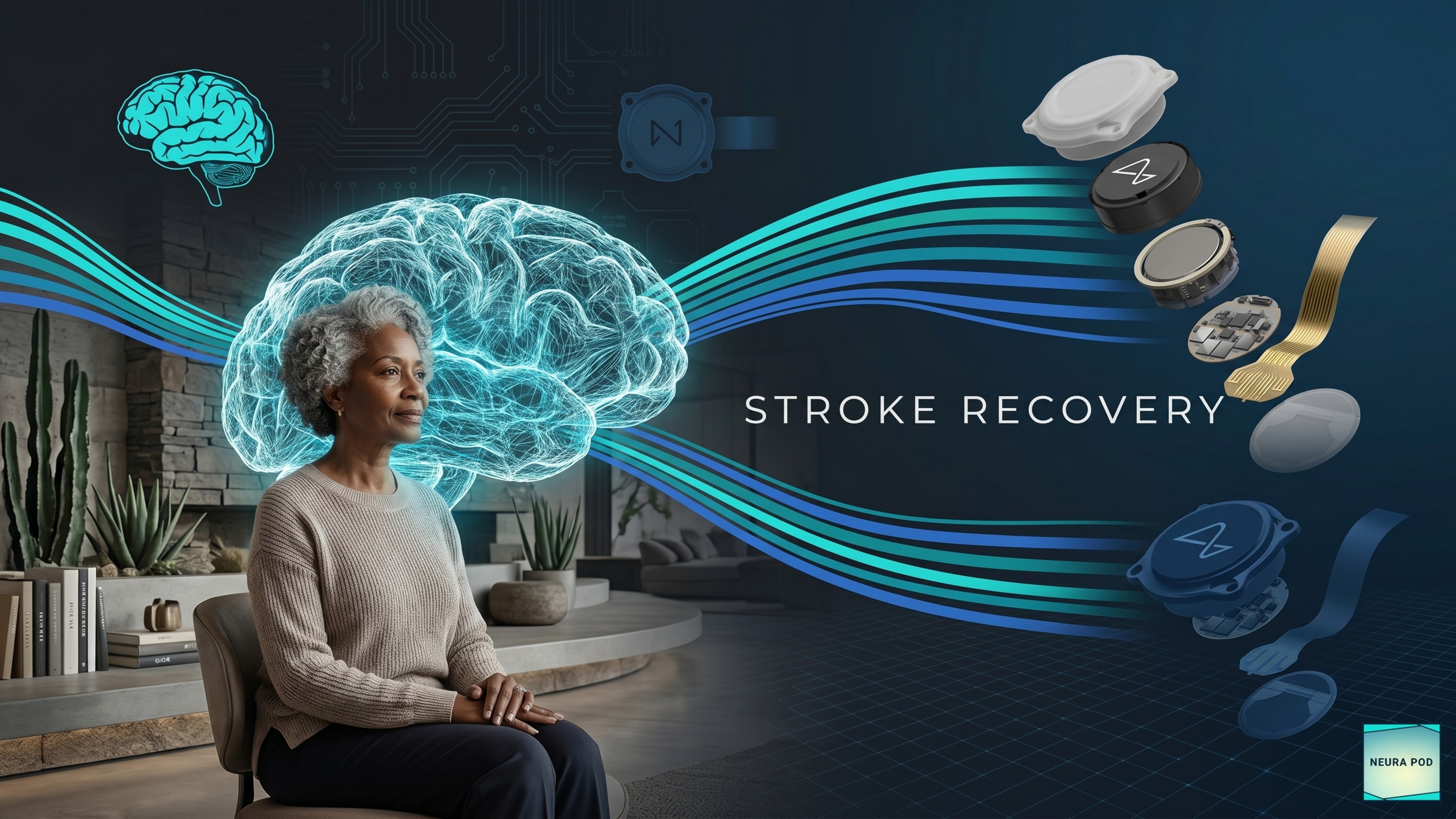
Chronic conditions like extreme pain, seizures, strokes, brain damage, and spinal pain (neck or back) are also in scope, with signal modulation providing relief. Elon's vision positions the technology as a versatile tool for diverse brain-related problems.
2025 Clinical Progress and Outlook
By early 2026, Neuralink has implanted devices in several patients, including at least 11 in the US, 7 in the UK, and 2 in Canada. The company launched the CAN-PRIME study in Canada and sent trial data for peer review. A speech impairment trial began in October, expanding applications.
Internal projections aim for 20,000 implants by 2031. These steps highlight Neuralink's rapid progress and long-term goal of solving all brain and spine problems.